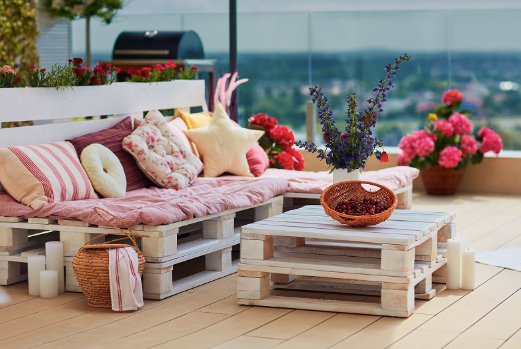

DIY living room decor projects blend practicality with fresh style. A cohesive palette grounds the space, while upcycled furniture offers instant impact. Textiles stitched and thrifted bring texture without tipping the budget. Subtle wall art and careful textures guide the eye, balancing quality with charm. The approach remains adaptable, evolving as tastes shift and pieces wear in. The next steps promise useful strategies that transform rooms with a calm, polished ease.
How to Choose a Cohesive Color Palette
Choosing a cohesive color palette starts with identifying the space’s dominant mood—calm and neutral or bold and energetic—and then selecting a base color to anchor the room. The approach relies on color palette theory to balance tonal relationships, contrasts, and texture. Practical criteria guide decisions, ensuring cohesive color schemes that feel intentional, flexible, and inspiring for free-spirited design exploration.
Upcycling Furniture for Instant Impact
Upcycling furniture can deliver instant, magazine-ready impact with minimal expense and maximum personality. The approach favors strategic, durable choices: select a focal piece, like an upcycling coffee table, and pair it with adaptable accents. Repurposed seating cushions add comfort and color without bulk, transforming layouts. Finished surfaces reveal thoughtful contrast, while clever hardware boosts polish and freedom to evolve the space.
DIY Textiles and Soft Furnishings on a Budget
From the momentum of upcycled furniture, DIY textile and soft-furnishings projects offer approachable ways to tailor comfort and color without breaking the budget. Thrifted fabrics inspire palettes, while inexpensive embroidery adds subtle detail. Upcycled cushions and DIY throw blankets prove practical, flexible accents, enabling rapid transformation with minimal cost. Freedom-infused choices emphasize quality, texture, and cohesive, budget-smart styling.
Wall Art and Small Decor Projects to Refresh a Room
Wall art and small decor projects offer a quick, affordable refresh that can anchor a room’s mood without overwhelming its architecture. Curated pieces create balance, guiding the eye with intentionality. Favor Wall art and small decor selections that embrace Minimalist palettes and statement textures, delivering cohesion. This approach empowers freedom, practicality, and polished style without clutter or excess.
Frequently Asked Questions
How Long Does a DIY Living Room Project Typically Take?
The project duration varies, typically spanning several days to weekends. It depends on scope, safety time, and tool usage; careful planning shortens delays. A measured approach balances freedom with polish, ensuring results align with practical, stylish living room goals.
What Safety Measures Should I Follow for Power Tools?
Ever wonder how professionals stay safe with power tools? A safety checklist guides every session, while tool maintenance preserves performance; inspect cords, guards, and bits, wear PPE, and keep workspaces clean for freedom-infused, stylish practicality.
Which Budget-Friendly Materials Are Best for Beginners?
Budget friendly materials suitable for beginners include MDF boards, plywood, cork, and canvas. They’re beginner friendly due to ease of cutting and finishing, offering stylish, practical results. The approach promotes freedom, affordability, and confidence in craft projects.
See also: How Technology Improves Communication
How Do I Estimate Total Project Costs Accurately?
Estimation hinges on meticulous cost tracking and milestone planning; one sums materials, labor, and contingency, then delineates phases, tracks variances, and adjusts forecasts, ensuring budget harmony while preserving creative freedom and practical, polished project momentum.
Can DIY Decor Increase Home Resale Value?
Yes, can diy decor increase resale value potential, though effects vary. Around 10-20% of buyers note personal touches influence desirability, while quality upgrades can boost perceived value. The strategy blends style, practicality, and freedom in execution.
Conclusion
A final whisper of change lingers as the room takes shape, each piece speaking in tonal harmony yet hiding a twist. The focal upcycle catches the eye, textiles layer warmth, and thrifted cushions hint at stories untold. Wall art waits in the wings, ready to shift the mood with a single placement. When the last stitch settles and the last print aligns, the space exudes quiet confidence—and the next idea quietly, tantalizingly, approaches.



 By
By